










Draft her for choke points, not ego lanes
Vexana's baseline movement and durability are genuinely workable, which matters because she used to get punished just for leaving lane. That makes her easier to pilot around river fights, but it does not solve the real draft problem: she still needs enemies to walk where she expects.
Pick Vexana when the enemy draft wins by standing in formation. Immobile marksmen, front-to-back tank lines, and mids that want to hold a corridor all give her the same gift: predictable pathing. That is where Cursed Blast, Deathly Grasp, and the knight stop being separate buttons and start becoming one layered zone the enemy has to cross anyway.
Pick her when your own team already has the first handshake. Atlas, Tigreal, Khufra, Minotaur, Grock, even a jungler like Alpha or Fredrinn can start the exchange and force movement. Vexana is much better as the second piece than the first. She turns allied CC into confirmed space control, then punishes the panic route.
Do not lock her into double-dive drafts and call it confidence. Kadita, Kagura, Harith, Saber, Aamon, and other heroes that either delete her on contact or slip out after forcing cooldowns make Vexana feel one full patch behind the lobby. If the enemy can enter from two angles and your roamer is an enchanter with no hard peel, this is not her game.
One bad step is the whole hero
Vexana is not a summon mage in the normal sense. She is a movement tax.
Every part of her kit asks the same question: where does the enemy have to stand next? Deathly Grasp is not valuable because it hits hard. It is valuable because fear changes movement. Cursed Blast is not valuable because the circle is large. It is valuable because the slow tells you where the target will still be a beat later. Eternal Guard is not valuable because there is a knight on screen. It is valuable because the knock-up and follow-through make the exit route even narrower.
That is why bad Vexana games all look the same. The player throws S1 from max range, misses, then throws S2 where the target used to be. The buttons are correct and the turn is still worthless because nothing forced the enemy to stay. Good Vexana games look crueler than they are. An allied stun lands, a marksman hugs the wall too long, or a tank takes one step deeper into a Turtle mouth than he should. Vexana drops the zone on the only honest retreat path, and suddenly the fight is being played inside her timings instead of theirs.
Once you see that, target priority becomes clearer. You are rarely trying to "catch the carry" first. You are trying to punish the first hero whose movement makes the rest of the enemy team predictable.
Mid lane: the first four minutes
- Start S2 and own the first wave. Vexana's lane is won by priority, not by solo kills. Use Cursed Blast on the first wave so the enemy mid either gives space or eats the slow while trying to contest. If you do not get first shove, you do not get first river step, and that removes the cleanest part of her early game.
- Take S1 second and save it for the dodge, not the opener. The temptation is to fish with Deathly Grasp as soon as it unlocks. That is usually wrong. Let S2 or an allied body force the movement first, then use S1 on the direction the target has to take. Vexana hits hardest when the enemy's next step is obvious.
- Spend Flicker to live, not to style. The first Turtle fight is where Vexana stops being a lane clearer and starts mattering. If you burn Flicker for a flashy level 4 chase, the next river fight becomes one assassin jump away from disaster. Hold it unless the kill opens a real objective or removes the only diver who can reach you.
The Glowing Wand plus Wishing Lantern window
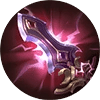
The real spike is Glowing Wand plus Wishing Lantern, usually around the 9 to 11 minute mark in a normal mid game. Before that pair, Vexana mostly threatens squishies that misstep into clean setup. After that pair, she starts hurting tanks and objective clumps too.
The reason is mechanical, not cosmetic. Glowing Wand turns every clean tag into lingering burn and anti-heal, which matters because Vexana is almost always fighting around half-committed enemies trying to step out, heal, or shield through the second half of the exchange. Wishing Lantern then cashes in on the same pattern. Vexana's combo naturally stacks enough spell damage for the follow-up current-HP hit to matter, and the knight keeps the pressure going after the first cast lands.
This changes how you approach midgame fights. Before the spike, you mostly play as wave control plus setup damage. After it, you can stand at Lord and Turtle mouths and make the enemy frontline feel taxed for simply holding the entrance. That is the point where Vexana stops asking for a perfect catch and starts winning by making the fight expensive for anyone who walks in first.
If you are on a free lane against five squishies, you can pivot harder into burst later. But if the game looks normal, this two-item window is the one you should actually farm toward.
Advertisement
Teamfights: play behind the first CC
The common reflex is to stand at max range and fish Deathly Grasp at the enemy carry. That reflex loses damage and usually burns the spell into air. Vexana should play behind the first piece of allied control, then drop her damage where the enemy has to retreat.
- Stand one layer behind your engager, not next to your marksman. Vexana's threat comes from following the first catch instantly. If you stand too far back, your knight lands late and the target walks out. If you stand too far up, the fight starts on you. One layer behind the tank is the right distance.
- Aim at the route, not the portrait. When the enemy tank or fighter steps in, do not tunnel on the backline nameplate. Ask where their mid and marksman will move when the front line gets touched. Drop Eternal Guard and S2 on that lane of retreat. The carry who has to walk through your zone is easier to kill than the carry you try to snipe cold.
- Use S1 to trap the second movement. Once the slow, knock-up, or allied stun lands, enemies almost always choose the same panic angle. That is when Deathly Grasp becomes reliable. Pressing it first asks the enemy to make a mistake. Pressing it second punishes the mistake they already had to make.
If your roam is Atlas, Tigreal, Khufra, or Minotaur, you can play greedier and throw the full combo the instant their engage lands. If your roam is Estes, Angela, Floryn, or Rafaela, play one step calmer. In those drafts the knight is often peel first, chase second, because your team wins longer fights and cannot afford you dying for the opener.
Itemization: the locked shell and the flex answers
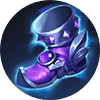
The default shell is simple: Arcane Boots, Glowing Wand, and Wishing Lantern. Arcane Boots gets your early damage online fast enough to matter in lane and first rotation fights. Glowing Wand gives your spells and knight real punishment value into healing and frontliners. Wishing Lantern is the bridge from "annoying mage" to "objective damage problem."
Boots are the first conversation. Arcane Boots is standard. Tough Boots only earns the slot when the enemy draft has so much layered control that getting your second cast off matters more than early penetration. If the game is about surviving Aurora catch, Kadita follow-up, or chain CC around Lord, Tough Boots is legitimate. In normal games, keep the damage.
The rest of the build should answer the lobby, not a template:
- Blood Wings when poke and partial dives are the problem. The shield lets Vexana take one bad tag, reset, and still re-enter the real fight.
- Winter Crown when one assassin owns the game state. If Saber, Hayabusa, Aamon, or Karina only need your death to start the fight, the 2-second freeze is worth more than another damage item.
- Divine Glaive when the enemy has already bought Athena's Shield, Radiant Armor, or stacked magic defense elsewhere. This is the "my spells landed and still did not matter" correction.
- Holy Crystal when your team already has stable engage and the enemy backline is all damage, no resistance. This is the greedy punish buy that turns one clean CC chain into a dead carry.
- Genius Wand when the game is snowballing early and the enemy refuses to buy magic defense. It is the sharper tempo item; do not confuse it with the safer all-purpose slot.
The mistake is building full burst by habit into shield-and-heal comps, then wondering why the enemy front line keeps walking. Vexana is at her worst when her build ignores the kind of fight actually happening.
The mistakes that make Vexana look fake
Throwing S1 first because it feels like engage. It is not reliable engage. It is the part of the combo that becomes reliable after movement is already forced. Start with S2 pressure, allied CC, or the knight's landing zone, then use S1 on the exit angle.
Dropping Eternal Guard on the carry instead of the doorway. This is the mechanical mistake most Vexana players never correct. If the carry is already moving, you are often better off dropping the knight on the path they need to cross than on their current position. The knock-up matters, but the real value is making the next two steps awful.
Blind-picking her into double dive and cleanse mobility. Kagura, Kadita, Harith, and assassins with easy backline access do not fight Vexana on her terms. They either dodge the first zone or survive long enough to make her trade backline deaths. If the enemy composition can collapse from two angles, draft another mage.
Staying mid after you already earned shove. Vexana's first clean contribution is usually not a lane kill. It is arriving first to river with a shoved wave and making the side lane or objective entrance miserable. If you clear and then idle in mid waiting for another trade, you are wasting the best part of the hero.
Using Flicker to chase before the real objective fight. This is the timing mistake that turns stable games into coin flips. Vexana without Flicker is a public target. If the next Turtle or Lord is the real win condition, keep the spell and let someone else finish the low-HP runner.
Key tips for the knight
Tip
If your roam lands hard CC first, cast Eternal Guard before S1. The knock-up fixes the target in place, and S1 then punishes the escape angle instead of gambling on the opener.
Note
Glowing Wand is not only a damage item on Vexana. It is also your anti-heal answer in normal drafts, which is why skipping it into Estes, Floryn, or shield-heavy frontlines usually makes the whole article feel like a lie.
Tip
Use Cursed Blast to check whether the enemy actually wants the choke point. If they refuse to walk in after one cast, you already won space and do not need to overforce the next button.
Note
When assassins disappear from vision, keep the knight close to your own lane of retreat instead of sending it forward. Vexana wins plenty of fights by surviving the first dive and letting the second cast happen.