








Pick Atlas when the fight has to start in one place
Atlas is correct when your team wants a single, violent teamfight instead of scattered skirmishes. He gives burst mages and area-damage junglers the one thing they need most: several enemy heroes landing in the same kill zone at the same time.
That condition is narrower than most Atlas players think. He is strong with Pharsa, Yve, Vexana, Odette, Kadita, Julian, Alpha, or any core that can punish grouped bodies immediately after Fatal Links lands. He is much weaker beside slow damage dealers who need three extra seconds to walk into range. If your mid and jungle cannot hit the pull location without delay, Atlas is starting fights for spectators.
The counter side matters even more. Diggie turns the draft from difficult to hostile because Time Journey removes the control that Atlas spends the whole game setting up. Franco and Kaja threaten suppression during the channel, which is one of the few control types that can stop the drag. Valir, Akai, Chou, and mobile backliners make the approach worse because they either push Atlas away, refuse the clump, or leave before the second cast matters.
Lock Atlas into enemy teams that must stand near objectives: immobile gold laners, short-range mages, sustain frontliners, and EXP heroes who want to brawl inside river. Avoid him when the enemy already shows Diggie plus another answer, or when three enemy damage dealers can cross the fight without committing. Atlas does not need five targets to be good. He needs two priority targets and a team that is ready before he presses the button.
Atlas wins by making the Mecha arrive first
Atlas is not a wall. He is a delivery problem.
Perfect Match separates the pilot from the Mecha, gives Atlas the speed to enter from strange angles, and then turns the return into the real engage. That merge is the key. When the Mecha catches the pilot near enemies, the stun creates the cleanest Fatal Links window. If Atlas casts the ultimate too early in ejected state, the kit trades that stun for a slow, and mobile heroes get the exact breathing room they wanted.
That is why Atlas feels inconsistent in weaker hands. Players see the long chain range and treat Fatal Links as the engage. The better read is that Fatal Links is the payment after Perfect Match has already won position. Use the pilot to cross vision, let the Mecha close the gap, stun on the merge, then chain before the enemy can spend mobility.
Current Atlas rewards tighter range discipline than older habits. The Frigid Breath circle lines up cleanly with the engage area, and Annihilate now punishes enemies who stay near him after first contact. That does not turn Atlas into a damage tank. It means missed setups are less forgiving for enemies who linger in his control zone.
Roam: the first four minutes
- Take Perfect Match first and protect the first jungle read. Atlas is not there to clear camps. Stand near the buff entrance, check whether the enemy roam is invading, and keep S2 available so the merge stun can answer a bad invade or punish an overextended mid.
- Take Annihilate second and help mid move first. Use S1 to speed the mid wave and apply Frigid Breath pressure without spending your real engage. If the enemy mid loses priority, your mage reaches river before the Turtle setup begins.
- Save Flicker for the first objective fight. Do not spend Flicker on a level-two side-lane grab unless it guarantees a kill and a wave crash. Atlas's first real value usually appears at the Turtle entrance, where Conceal, river brush, and a held S2 can create a two-hero pull.
The first four minutes are about information and patience. Atlas can scare lanes early, but he should not become a random gank machine. Walk between bushes, show just enough body to protect your core, and only reveal Perfect Match when the enemy has already stepped past the exit line.
The Dominance Ice window starts the real game
Atlas is farming toward Rapid Boots plus Dominance Ice, usually around the first two objective cycles if roam gold is on schedule.
The spike is not damage. It is permission. Before Dominance Ice, Atlas can start a fight, but every S2 path through river asks whether he survives long enough for the Mecha to return and the drag to finish. After Dominance Ice, the hybrid defense and movement help him enter without folding, while Lifebane's aura suppresses the sustain of nearby enemies and Fortress Shield stacks additional defense for each enemy hero in range during the channel.
Fleeting Time is the second conversation. When your team is converting pulls into kills or assists, it turns Atlas from a one-fight roamer into a repeat-engage threat. If the enemy has strong burst that deletes you before the second setup, buy the defensive answer first and delay Fleeting Time. A lower cooldown does not matter if the first cast gets you killed before your team arrives.
The practical timing rule is simple: before Dominance Ice, play vision and counter-engage. After Dominance Ice, start asking where the next grouped fight happens. After Fleeting Time, look for the second catch immediately after a won skirmish, because enemies often reset their spacing only after the scoreboard tells them to.
Advertisement
Do not drag the whole enemy team into your carries
The common wrong reflex is chasing the five-man highlight. Atlas wins more ranked games by pulling two important heroes than by throwing five angry enemies into his own backline.
- Aim for the damage pair, not the biggest clump. A mid plus marksman pull is usually better than tank plus EXP plus jungler. Fatal Links is a kill setup, not a screenshot contest.
- Start from a side angle, then drag sideways or backward. Straight-line engages through mid are easy to read. River brush, lane wall gaps, and Lord pit corners let Perfect Match hide the pilot long enough for the Mecha to arrive.
- Use Flicker after the chain when repositioning matters. S2 into merge, cast Fatal Links, then Flicker during the channel to move the landing point toward your burst damage. Flickering first often warns the backline before the chain starts.
Support-dependent edge case: if your team has a second hard initiator such as Tigreal, Minotaur, Arlott, or Gloo, Atlas can hold Fatal Links as the punish instead of the opener. Let the other hero force Flickers and purifies first. Then chain the enemies who used their exits to dodge the first engage.
Items are movement first, defense second, cooldown third
Atlas's default ranked build starts with Rapid Boots with Conceal, Dominance Ice, and Fleeting Time. Those three choices match his job: reach the fight unseen, survive the first contact, and get Fatal Links back when the pull becomes a kill.
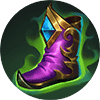
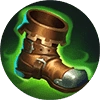
Boots are the first real fork. Rapid Boots are the default because Atlas needs map speed and brush-to-brush threat. Tough Boots are better when the enemy has chain control or magic poke that tags him before Perfect Match begins. Warrior Boots only enter the conversation against heavy physical lanes where Atlas must soak repeated basic attacks before the first pull.
The defensive slots should answer damage pattern, not habit. Athena's Shield is for one-rotation magic burst from heroes such as Eudora, Kagura, Aurora, or Kadita. Radiant Armor is for repeated magic damage from Yve, Valir, Chang'e, or other long-contact sources. Antique Cuirass is the physical skill-damage answer when fighters and assassins are hitting you during the approach. Blade Armor belongs in games where a basic-attack marksman is forced to burn through your front line. Guardian Helmet is a tempo buy when you are winning vision but entering every river fight below healthy HP.
Do not overbuy actives. Conceal already gives Atlas the approach button he wants, and adding Winter Crown often creates a fight where the tank freezes himself while his team needs the drag location controlled. Immortality is the cleaner late-game safety item because Atlas can still trade his life for a finished pull and force the enemy to spend more time around his body.
Mistakes that waste Fatal Links
Casting ultimate while still ejected. This is the mechanical mistake that makes Atlas look countered by every dash in the game. Wait for the Mecha to reconnect, stun on the merge, then chain. If you skip the stun, you are asking a slow to do a stun's job.
Picking Atlas into Diggie and pretending cooldown tracking solves it. You can punish Diggie when Time Journey is down, but that is not the same as a good draft. If Diggie is protected and your team lacks pickoff damage, Atlas spends the match waiting for a mistake the enemy does not need to make.
Opening from the front of mid lane. Everyone can see that engage. Atlas needs side brush, lane walls, Conceal timing, or a teammate forcing attention elsewhere. If the enemy backline sees the pilot before the Mecha is close, they leave the circle.
Buying Fleeting Time before survival in a losing game. The item is excellent after converted fights. It is greedy when the enemy can burst you before the first pull completes. Defensive timing comes first when you are behind.
Dragging tanks into your marksman. A three-person pull that includes the enemy tank, EXP, and jungler can still lose if your gold laner is now standing beside three melee heroes. Pull the damage dealers when possible. If you must pull frontliners, drag them away from your carry's retreat path.
Key tips
Tip
Treat the Frigid Breath circle as your practical engage check. If the enemy priority target is outside that circle when the Mecha is about to reconnect, wait one more step or cancel the idea.
Tip
Conceal is strongest after Atlas has already moved into a side brush. Pressing it in open river gives enemies the warning. Pressing it from fog turns Perfect Match into a real flank.
Note
Suppression is the control type that matters most against Fatal Links. Franco and Kaja do not need to kill Atlas. They only need to stop the channel once, and the whole fight changes.
Tip
In late Lord fights, a two-hero pull on the enemy jungler and mid is often better than a backline dream. Removing Retribution pressure and wave clear can win the objective even if no one dies immediately.