









Pick Pharsa only when the map will stay open
Patch 2.1.61 (patch notes) matters for this hero because it trimmed the early and mid game burst on Energy Impact and shaved damage off Feathered Air Strike. That pushes Pharsa further toward disciplined setup play. She still wins games, but not as the old autopilot lane bully who erases someone for showing on one minion wave.
Pick Pharsa when the enemy draft wants to walk into space you can already see. She is good into slower front lines, immobile gold laners, and objective fights where your tank or roamer can force enemies to choose between eating air strikes or giving up ground. She is also good when your roam can scout bushes and hold flank paths, because Pharsa's best ult spots are the ones the enemy spots one second too late.
Do not pick her just because you need "a mage with range." Range is not the point. Pharsa works when your side can create a protected pocket for her to cast from. If your roam is a pure catch hero with no peel, your EXP laner cannot hold a flank, and the enemy has two backline divers, you are drafting a stationary target with a bird costume.
She gets worse the more the game becomes about hidden information. Bush scouts, backline divers, and displacement control all attack the same weakness: Pharsa is strongest before the enemy knows where she is, and weakest once they do.
The one thing that actually makes Pharsa work
Pharsa is not a combo mage. She is a space-denial mage.
Most players treat Feathered Air Strike as a damage spell and stop thinking there. That misses the real identity. The ultimate is a threat map. It forces a retreat path, delays a choke, buys a tower plate, breaks a Turtle entrance, and makes the enemy backline step where your tank wants them to step. If they stay, they get hit. If they move, your team gets the angle.
That is why her normal pattern is not "land everything fast." It is "take the lane first, move first, hide first, cast first." Curse of Crow exists to check movement. Energy Impact exists to make the first check matter. Wings by Wings exists so you arrive at the next fight before the enemy mid does. Everything serves the same idea: Pharsa wins when the map makes the decision for the enemy before the fight is fully started.
If you play her like a short-range burst mage and walk up for clean center-screen combos, you are deleting the only unfair part of the hero.
Laning: the first four minutes
- Take Energy Impact first and buy lane priority, not chip damage. Hit the first wave clean, step with your roamer toward the nearest river entrance, and make the enemy mid answer your push before they can disappear. Pharsa's first advantage is rotation order, not solo-kill pressure.
- Mark before you commit the real trade. Use Curse of Crow when the enemy has to last-hit or path through a narrow lane angle, then cash the mark with Energy Impact or a basic attack only if it gives your jungler or roamer a real follow-up. Throwing both spells on cooldown for random poke drains mana and gives up tempo.
- Save Flicker for the first punish window, not the first highlight. Until the four-minute mark, Flicker is there for the moment a roamer comes through the side brush or a jungler hops your wall. Burning it to finish a low-health mid once means the next rotation kills you for free.
Your early lane target is simple: clear, disappear, reappear first. If the enemy mage is still collecting the wave while you are already standing on the gold-lane river brush, you are playing Pharsa correctly even if nobody dies from the rotation.
The two-item window you are really farming toward
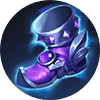
The first real spike is Arcane Boots plus Lightning Truncheon, usually in the 6:30 to 8:30 window if your lane has not collapsed.
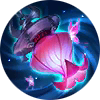
Arcane Boots matter because Pharsa wants early penetration the moment her poke starts deciding whether a target can stand on a choke. Lightning Truncheon changes the way your first hit behaves. The next damaging skill gets an extra burst effect and a brief movement burst, which means your opening poke does more than soften targets. It also lets you strike, slide back into fog, and threaten the second cast before the enemy knows whether to chase or disengage.
This is the point where random mid-wave trades stop mattering and objective geometry starts mattering. Before the spike, you are clearing faster than you are killing. After the spike, one clean mark into follow-up can force the enemy marksman off the Turtle entrance, and one hidden ult angle can split the fight before your tank fully engages.
If you reach this timing while even in gold, stop treating yourself like a scaling passenger. Pharsa's job from that point is to arrive at every objective first and make the enemy enter on bad terms.
Advertisement
Teamfight positioning and target priority
The common bad reflex is to cast Feathered Air Strike as soon as the fight appears on screen. That is how Pharsa dies to every competent dive player.
Your first rule is to cast from information, not from excitement. If the assassin, flanker, or displacement tank is still missing, your job is not to start the barrage. Your job is to wait half a second longer and make them show first.
Three positioning rules matter more than raw damage:
- Set your ult from the side of the fight, not directly behind your front line. Straight-back positioning is the first place divers check. A slight off-angle behind a wall or side brush gives you better strike spread and makes the engage path longer.
- Bomb the escape lane before you bomb the center. The first cast should usually close the route the enemy backline wants to use, not simply hit the tank already walking forward. Force movement first, then punish the movement.
- Keep Wings by Wings as your second life, not your approach button. If you spent flight to enter the fight, you no longer have a clean exit once the enemy reaches your spot.
Target priority is simple once the fight starts: punish the hero whose movement the first strike already constrained. That is often the gold laner, the enemy mage, or the diver who has already committed. Pharsa does not need to hit five people. She needs to make one important hero unable to stand where they wanted.
Support changes one edge case. If your roamer brings peel or a bailout tool, you can anchor one layer deeper because you have a real reset once the enemy turns. If your roamer is a forward-only catch pick, your ult spot must already contain its own escape path.
Itemization: locked slots and real flex calls
Pharsa should not be built like every other burst mage. She wants a stable four-slot spine and then real adaptation.
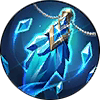
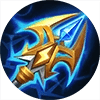
The default spine is Arcane Boots, Lightning Truncheon, Glowing Wand, and Divine Glaive. Arcane Boots gives the early penetration window. Lightning Truncheon makes the first hit of a rotation matter more. Glowing Wand adds two things Pharsa actually wants in long objective fights: chip damage that keeps ticking after the hit, and anti-heal through Lifebane. Divine Glaive is the answer once the enemy front line or fighter core starts buying magic defense and your poke begins to feel cosmetic.
After that, the build turns into actual decisions:
- Holy Crystal when the enemy can still be hit cleanly and you need heavier punishment on every landed spell.
- Blood Wings when you are the primary damage source and staying alive for one more cast matters more than a greedier damage slot. The shield and movement help you survive the moment a diver finally reaches you.
- Winter Crown when the game is decided by one assassin jump, one Yu Zhong dive, or one Flicker engage onto your position. If they only need one clean touch to remove you from the fight, this item buys the reset your team needs.
- Ice Queen Wand when your team already has enough damage and needs stickier poke to keep targets inside follow-up control. It is not a raw burst buy. It is a control buy.
Flicker is still the default spell because repositioning during Feathered Air Strike fixes too many bad situations to give up lightly. Purify is the right greed kill-switch when the enemy draft is overloaded with catch and your real problem is getting interrupted before the second cast.
Mage Emblem stays the default. The local editorial loadout of Inspire, Bargain Hunter, and Lethal Ignition fits Pharsa because she wants cooldown help early, cheaper spikes on schedule, and extra punishment once a full rotation lands.
Mistakes that lose Pharsa games
Ulting before the flank count is finished. If Natalia, Saber, Selena, or the enemy EXP diver is still off the map, pressing Feathered Air Strike is not aggression. It is self-reporting your location. Count threats first, then cast.
Flying through dark jungle to "roam faster." Wings by Wings is mobility, not permission to ignore vision. Using it through unscouted jungle entrances gets you tagged by one trap, one arrow, or one body check, and then your whole rotation dies before it starts. Fly across known safe lines or over walls your roamer has already contested.
Spending Energy Impact on every wave regardless of map state. The skill is your lane priority tool, but if Turtle is spawning and your roamer is already moving, you need that damage ready for the first river fight. Clear with purpose, not by habit.
Dropping air strikes on the tank because he is visible. Tanks are often bait, not value. If the enemy gold laner is one step behind that tank and your first cast can cut off the backline path, hit the path. Pharsa wins fights by ruining structure, not by padding damage on the easiest body to see.
Ignoring copy and dive drafts in champion select. If the enemy mid can mirror your threat or their side can reach your backline without winning front to back first, Pharsa's best angle disappears. You need cleaner vision, earlier pressure, and safer ult spots than normal, or the draft tax becomes real.
Small edges that make the hero feel unfair
Tip
Use the first wave to decide your whole early game. If you did not clear first, cancel the hero fantasy, play the lane honestly, and wait for the next priority window instead of forcing a fake roam.
Tip
The first ult cast is often strongest when it lands slightly behind the visible target. Players dodge backward on reaction more often than forward, and Pharsa gets paid when she predicts that first retreat step.
Note
Curse of Crow is also a scouting tool. Throw it into the brush the enemy roamer wants to sit in before Lord or Turtle rather than saving it only for damage. Vision that prevents one flank is worth more than a prettier combo.
Tip
If you expect an engage, start Feathered Air Strike from a spot where Flicker crosses a wall, not from a pretty center-screen angle. Your exit route should already exist before the first feather lands.
Note
When Purify is the spell, play one step more aggressively only after the enemy's main displacement is identified. Purify saves you from control, not from walking into five people with no frontline between you and them.