

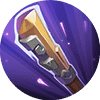










Pick Badang when the map can become a boxing ring
Badang is correct when the enemy gives you two realistic wall targets and your own team can force fights near terrain. Immobile gold laners, artillery mages, and junglers that need to walk through river entrances are the targets he can punish. He is much weaker when the only reachable heroes are tanks, dashing EXP laners, or backliners protected by instant displacement.
The draft trap is locking him because the combo looks simple. Fist Break has to touch a hero, the wall has to form behind that hero, and Fist Crack has to stay aimed at a target that cannot leave the cone. Mobile heroes break one of those steps. Suppression heroes like Franco, Kaja, and Barats break the channel itself, which matters because Badang's control immunity does not cover suppression.
Pick him with setup roamers and mid laners who make enemies stand still first. Tigreal, Atlas, Ruby, Minotaur, Vale, and Luo Yi all create moments where Badang does not need to guess the dash. Avoid him into drafts that can answer every entry with Purify, displacement, or invulnerability. If you cannot name the exact hero you plan to wall before loading screen, choose a steadier EXP laner.
The combo is a terrain check, not a damage race
Badang works because his kit turns obstacles into repeat damage and repeated control. Fist Wind and Fist Crack can trigger attack effects, Fist Break creates the missing wall, and Chivalry Fist turns knockback into a stun when the enemy hits terrain. The hero's whole identity is making a small patch of map illegal for one target.
That is why open-space engages feel so bad. Fist Crack without a wall is a stationary cone that many heroes can leave. Fist Break without a pinned target is a dash spent for a shield and a short knockback. The fight only becomes Badang favored when the target is boxed between him, the created obstacle, and nearby terrain.
This also explains his itemization. Demon Hunter Sword, Corrosion Scythe, Golden Staff, and Sea Halberd are not random attack-speed buys. They are chosen because Badang's punches and Fist Wind interactions reward repeated attack effects while the target is trapped. Raw burst items matter later, but the first job is making the channel sticky and punishing.
Laning: the first four minutes
Badang's first four minutes are about keeping HP high, controlling passive stacks, and reaching level 4 without donating the side lane to a stronger early bruiser.
- Take lane space with one Fist Wind charge. Use the first charge to secure minions and tag the enemy when they step into the wave. Hold the second charge unless the jungler is visible elsewhere, because one saved Fist Wind gives you slow, knockback, and a passive stack when the lane turns.
- Preload Chivalry Fist before trading. Hit minions to move the passive close to ready, then threaten the enemy near the side wall. A basic attack or Fist Wind that knocks them into terrain is worth more than several loose punches in the middle of the lane.
- Treat Fist Break as a kill button after level 4. Before Fist Crack is available, dashing forward often trades your only escape for damage you cannot finish. After level 4, Fist Break becomes the start of a real punish, especially from the river bush or the small lane brush.
Spend Flicker only when it converts into a wall angle or saves a death timer. Flicker for a low-HP poke chase before level 4 is rarely worth losing the spell that lets Badang start the first Turtle fight from fog.
The spike is Demon Hunter Sword into Golden Staff pressure
Badang's first real checkpoint is Demon Hunter Sword, usually reached around the first two objective cycles if the lane stayed even. Level 4 gives him the channel. Demon Hunter Sword gives that channel a reason to scare full-health targets because Fist Crack and Fist Wind can apply attack effects repeatedly.
The two-item spike you are farming toward is Demon Hunter Sword plus Golden Staff. Golden Staff speeds up his non-crit attack-effect pattern and helps him cycle more punch value during trapped fights. Once both are online, you stop playing only for poke trades and start hunting brush angles around Turtle, mid lane entrances, and enemy buff exits.
Corrosion Scythe can come before or after Golden Staff depending on the game. If enemies are walking out of your cone or kiting your follow-up basics, buy Corrosion earlier. If the wall target is already easy to hold but too durable to finish, Golden Staff second gives the cleaner damage spike. Either way, Badang should not drift into random crit or pure defense before his attack-effect core is established.
Advertisement
Stop punching the closest body
The most common wrong reflex is using Fist Break on the first enemy that enters range. Badang is not picked to spend Fist Crack into a full-health tank while the enemy marksman free-hits from behind them.
- Stand beside the fight, not inside the first contact. Let the roamer or jungler show first. Badang wants a diagonal entry from brush or river wall, where the backline sees the engage too late to sidestep.
- Aim Fist Break so the wall closes an exit. If the target can walk sideways after the dash, hold the ultimate. Use a basic attack or Fist Wind to force their movement, then channel only when their escape lane is gone.
- Change targets when suppression is still ready. Franco, Kaja, and Barats turn a good channel into a wasted dive if they are standing close enough to answer. Either wall them first or wait until their ultimate is spent on another engage.
With a setup tank, Badang can play greedier. If Tigreal, Atlas, or Minotaur catches two heroes, follow the control and wall the squishier target inside the pile. Without that setup, Badang should act like a flanker who deletes one carry, not like a frontliner who starts every fight.
Itemization is core first, then threat answers
Badang's locked conversation starts with boots plus attack-effect damage. Tough Boots are the default when control or magic burst can stop the setup before it begins. Warrior Boots are fine into physical EXP lanes. Swift Boots are greedier and should be reserved for low-control games where extra attack speed matters more than surviving the first trade.
Demon Hunter Sword is the first damage anchor. Golden Staff and Corrosion Scythe compete for the second and third damage slots based on whether you need more repeated attack-effect pressure or more slow. Sea Halberd becomes a priority when the enemy has Uranus, Esmeralda, Yu Zhong, Estes, Floryn, or shield-heavy frontliners, because Badang applies anti-sustain easily during the channel.
Malefic Roar is the armor answer once two enemies start buying physical defense. Rose Gold Meteor is the clean magic-burst safety item because its Lifeline shield and hybrid defense let Badang finish a channel through one rotation. Immortality is for final Lord fights where one failed flank loses the game. Brute Force Breastplate and Queen's Wings belong in tankier side-lane builds when Badang is asked to live through repeated control instead of deleting one carry.
Avoid stacking active panic buttons. Wind of Nature can save him from physical damage, but its duration is reduced for non-marksmen and it competes with the same mental space as Winter Crown. If you buy one emergency active, know exactly which enemy button it is meant to answer.
Mistakes that lose Badang games
Dashing before the target commits. If you Fist Break while the enemy still has their dash, you are asking them to make the easiest outplay in the game. Walk them toward a wall with Fist Wind first, or wait for your roam to force the mobility spell.
Ulting because the wall appeared, not because the target is trapped. A created obstacle behind the enemy is not enough. If they are beside it instead of pinned into it, hold Fist Crack and keep punching. Wasting the channel removes Badang's only teamfight threat.
Buying defense before the attack-effect core. A tanky Badang can be useful, but a half-built damage Badang with random armor is usually just a short stun bot. Finish the item pair that makes your channel threatening before you overreact to one bad trade.
Ignoring anti-sustain timing. Sea Halberd is not a cosmetic flex against heal lanes. If Yu Zhong, Uranus, Esmeralda, or a healer support is undoing your combo, delay greed damage and apply Lifebane before the second objective fight.
Starting fights in river center. Badang wants jungle entrances, buff walls, Turtle pit edges, Lord pit corners, and base gates. If your team is drifting into open river, ping the nearest choke and move first. The terrain choice is part of the combo.
Key tips
Tip
Enter brush with Chivalry Fist nearly ready. A preloaded passive turns the first basic attack after Fist Break into extra control, which buys enough time for Fist Crack to stay connected.
Note
Fist Crack resists ordinary crowd control, but suppression still cancels it. Track Franco, Kaja, and Barats ultimates as engage timers, not as background threats.
Tip
Use Fist Wind along existing walls during objective standoffs. You can threaten explosion pressure and passive stacks without spending Fist Break, which keeps your real engage available.
Note
Recast Fist Break only when your own wall is hurting your team. Most of the time, leaving the obstacle in place is stronger because it blocks retreats, narrows the fight, and lets later Fist Wind hits keep threatening the same space.