





Pick Sora To Solve A Fight Shape
Sora is strongest when your team already knows what kind of fight it wants. If your draft has reliable first contact from roam or jungle, Thunder gives you the second wave that reaches the backline after the first cooldowns are gone. If your draft has damage but lacks a clean button that forces people to stand still, Torrent gives you the start that makes the rest of your comp playable.
That is why he works better as a later reveal than as an autopilot first-phase EXP lock. The hero can look blind-pickable because both forms exist, but the flexibility is conditional. He still hates games where the enemy can pin him on entry or lane him into long sustain trades that never end on his terms.
The worst Sora drafts usually share two traits. First, the enemy has point-and-click lockdown or anti-dash control that punishes the first commit before his sequence can breathe. Second, your own team has no clean follow-up after Torrent starts a fight or no protection after Thunder jumps past the front line. In those games, Sora is not versatile. He is overqualified for a job nobody asked him to do.
The clean drafts are simpler. Pick him when the enemy carry needs one more diver to feel unsafe, or when your team needs one real engage tool without giving up side-lane threat. Avoid him when the lane is likely to become an endless sustain tax against heroes like Uranus or Thamuz, or when the enemy comp can hold him still with tools such as Phoveus, Khufra, Kaja, or Franco. Sora wins by choosing the fight shape first. If the enemy chooses it for him, the hero looks much fairer.
The Swipe Is The Real Cooldown
Most fighters tell you what they are from the first button press. Sora stays undefined until the first swipe, and that first choice decides the next five seconds of the game.
Thunder is not just the damage form. It is the version of Sora that cashes a fight that already has structure. You use it when a carry has burned space, when the enemy line is stretched, or when your roam has already forced heads to turn. Torrent is not just the safer form. It is the version that creates shape from nothing by dragging people into the same problem and giving your team a clean first half-second to hit.
That is why the hero punishes impatience more than bad mechanics. Players often see the enemy marksman, swipe Thunder on instinct, and assume the hard part is over. It is not. The first transform is the commitment. The real payoff only comes after you keep touching heroes long enough to build Cloudstep and unlock the follow-up True Art. If the first cast gets you in and the second cast never happens, you did not finish the hero's job.
Read Sora as a sequence hero, not a burst hero. Base form checks spacing and wave control. The transform picks the job. The follow-up ultimate is the sentence that ends the trade. Once you understand that order, target priority becomes much easier. Stop asking who is lowest. Ask which form turns this exact corridor into a winning fight.
Laning: the first four minutes
- Open with Skill 1 and make it touch the wave and the body behind it. Sora's first lane edge comes from getting push and pressure at the same time. If you only clip minions, you lose trade control. If you only clip the hero, you give away the wave for free.
- Hold the first transform until the trade matters. Base Sora already has enough mobility to test spacing and threaten the brush line. Save Thunder or Torrent for the river contest, the jungle visit, or the all-in that decides who owns the lane.
- Spend battle-spell tempo to fix a bad angle, not to decorate a good one. Flicker is best when it rescues a missed entry or gives Torrent a line that the lane would not normally allow. Vengeance is the answer when the enemy has to stand inside your range to win the trade and you want the lane to become ugly on purpose.
The goal is not a flashy level four solo kill. The goal is to arrive at the first turtle window with health, with lane priority, and with your real engage button still respected. Sora snowballs harder from owning the first rotation than from forcing one extra plate trade that burns every cooldown you have.
War Axe Into Hunter Strike Starts The Real Game
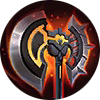
Sora's first true spike is War Axe plus Hunter Strike, usually around the eight to ten minute window in a stable EXP game. That is the point where he stops feeling like a hero with a good entry and starts feeling like a hero who can keep a fight going after entry.
War Axe is the first half of that change because it rewards exactly what Sora already wants to do: stay attached, keep dealing damage, and turn a short commit into an extended one. Hunter Strike is the second half because once repeated hits land, the movement burst lets him keep contact through jukes, side steps, and panic retreat paths. On Sora, that matters more than on a normal bruiser because his whole transform cycle becomes better when the target cannot reset distance for free.
Mechanically, this is where Thunder gets cleaner and Torrent gets scarier. Thunder no longer feels like a single lunge that may or may not finish. Torrent no longer feels like engage without the legs to stay relevant after the pull. With both items online, Sora can begin on one edge of the fight and still be part of the second beat instead of watching it happen without him.
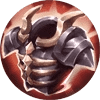
Brute Force Breastplate is the bridge item that stabilizes the next stage, but it is not the spike itself. The spike is the moment War Axe and Hunter Strike both land, because that is when Sora's combo stops being one action and starts being pressure that persists. If you hit that window on time, start forcing objective fights. If you hit it late because you spent the early game chasing empty kills, the hero will feel much less forgiving.
Advertisement
Stop Diving The Portrait, Start Reading The Corridor
The common wrong reflex on Sora is simple: enemy marksman appears on screen, Sora swipes Thunder, and the whole fight becomes a coin flip. That is not target priority. That is skipping the part where you ask whether the carry is actually reachable after the first second.
- Thunder only when you can name the exit path before you enter. If your answer is "I will kill them first," you do not have an exit path. Thunder is strongest when a wall, flank, or allied engage has already narrowed the enemy's choices.
- Torrent goes first when your team still needs contact. If nobody on your side has started the fight, stop saving Torrent for later. The pull is what gives your mage and marksman permission to hit the same screen.
- Keep one movement layer for the second beat. Sora looks unstoppable when he chains mobility, but he dies fast when both movement buttons are spent before the enemy peel shows up. Hold one reposition for the turn, not the entrance.
Support-dependent edge case: with Angela, Mathilda, or Floryn behind you, Thunder can become your first answer more often because the protection arrives with the commit. Without that second layer, play Sora like a second wave diver. Let someone else force the first reaction, then choose the form that punishes the space they created.
Locked Slots, Then Real Flex Choices
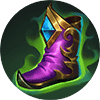
Sora's most honest default is boots, War Axe, Hunter Strike, and Brute Force Breastplate. Those are the slots that line up with what the hero repeatedly asks for in live games: extended contact, movement after contact, and enough durability to survive the first answer the enemy throws back.
Boots are the first real read. Tough Boots are the default when the enemy draft is built around chain control or heavy magic pressure, because Sora loses more from getting pinned than from losing a little early armor. Warrior Boots are the lane answer when the fight is repeated physical trading and the enemy cannot lock you in place cleanly.
After the default shell, the rest of the build should answer the lobby in front of you:
- Queen's Wings when your first commit is getting burst checked. Buy it when the problem is surviving the enemy's first answer long enough to finish your own sequence.
- Sea Halberd when Uranus, Esmeralda, Floryn, Estes, or heavy shield and regen cores are erasing the value of your first good trade. Sora does not need prettier damage in those games. He needs the enemy to stop recovering.
- Malefic Roar when the enemy front line is stacking armor and you still need your damage to matter after the engage. This is the slot for tank walls, not for habit.
- Oracle when you expect long fights with support shielding, external healing, or mixed incoming damage. It is the buy that turns every small layer of protection into a better second chance.
- Immortality when the game is about one Lord fight, one base defense, or one brutal first cooldown cycle. If your team only needs you to make the first engage messy and live long enough for the reset, this is the cleanest answer.
Emblems follow the same logic. Fighter Emblem is the better EXP default because Sora wants bruiser trades more often than isolated pick windows. Assassin Emblem is the greedier option when you know the game will hand you lone backline access and you can punish it repeatedly. Pick the emblem that matches the fights you are actually taking, not the montage you want later.
The Habits That Throw Sora Games
Blind-picking him into anti-dash lockdown. Sora does not want the enemy to hold answers like Phoveus, Khufra, Kaja, or Franco before he even shows. If the first commit can be denied on reaction, your flexibility shrinks before the lane starts.
Transforming for lane tempo instead of lane control. Pressing ultimate just to clear faster feels active, but it often leaves you without the one tool that punishes the next rotation. Spend the transform only when the map window is real.
Choosing Thunder before the fight has shape. Thunder is the finisher form, not a substitute for engage. If your team still needs contact, Torrent usually has to go first or the backline dive becomes wishful thinking.
Forgetting to farm the second half of the combo. Sora players often land the first transform, force a panic retreat, and then stop hitting the target long enough to unlock the follow-up True Art. The first cast is not the full sequence. Stay in contact and finish the job you started.
Taking lonely side waves after the two-item spike. Once War Axe and Hunter Strike are online, Sora's value rises fastest around turtles, Lord setups, and mid-river fights. If you keep farming the far lane while your team waits for an engage hero that is not there, you are misusing the strongest point in the game.
Key Tips
Tip
Thunder is strongest after the enemy has already spent movement. If you use it to force the first blink instead of punish the missing blink, you are asking the form to do the wrong job.
Note
Torrent is not a panic button. Use it when your team can actually hit the pull. A beautiful engage with no follow-up is still a losing cast.
Tip
Hunter Strike changes how you should think about your combo. After it is completed, stop taking one-touch trades and start planning around staying attached long enough to trigger the movement burst.
Note
If the enemy EXP lane survives your first burst and always drags you into long sustain trades, stop forcing solo kills. Clear, keep your health, and spend your hero where Sora matters more: the first river fight and the first side collapse.